By Leonnel Mhuka
As CAB 3 debates officially took off in Parliament, opposition circles celebrated the acquittal and release of Godfrey Karembera, popularly known as Madzibaba Vechanduko.
Karembera, who was arrested in a violent manner on the night of 20 October 2025, was eventually found not guilty and released during the first week of June 2026 after nearly eight months in detention.
The allegations that led to his arrest were linked to his opposition to CAB 3.
By the time he was arrested, CAB 3 was still largely an internal ZANU PF talking point. However, insiders and critics such as Blessed Geza, Nyokayemabhunu and Saruwaka, among many others, had already begun raising public awareness about the proposed changes and their implications.
The arrest of Madzibaba, together with several other activists, reflects a pattern that critics say has long been used to silence individuals who openly oppose the ruling party.
Saruwaka is on record alleging that ZANU PF had made plans to eliminate both him and Karembera. Saruwaka was later shot in South Africa, while Karembera was arrested and detained for several months before being acquitted.
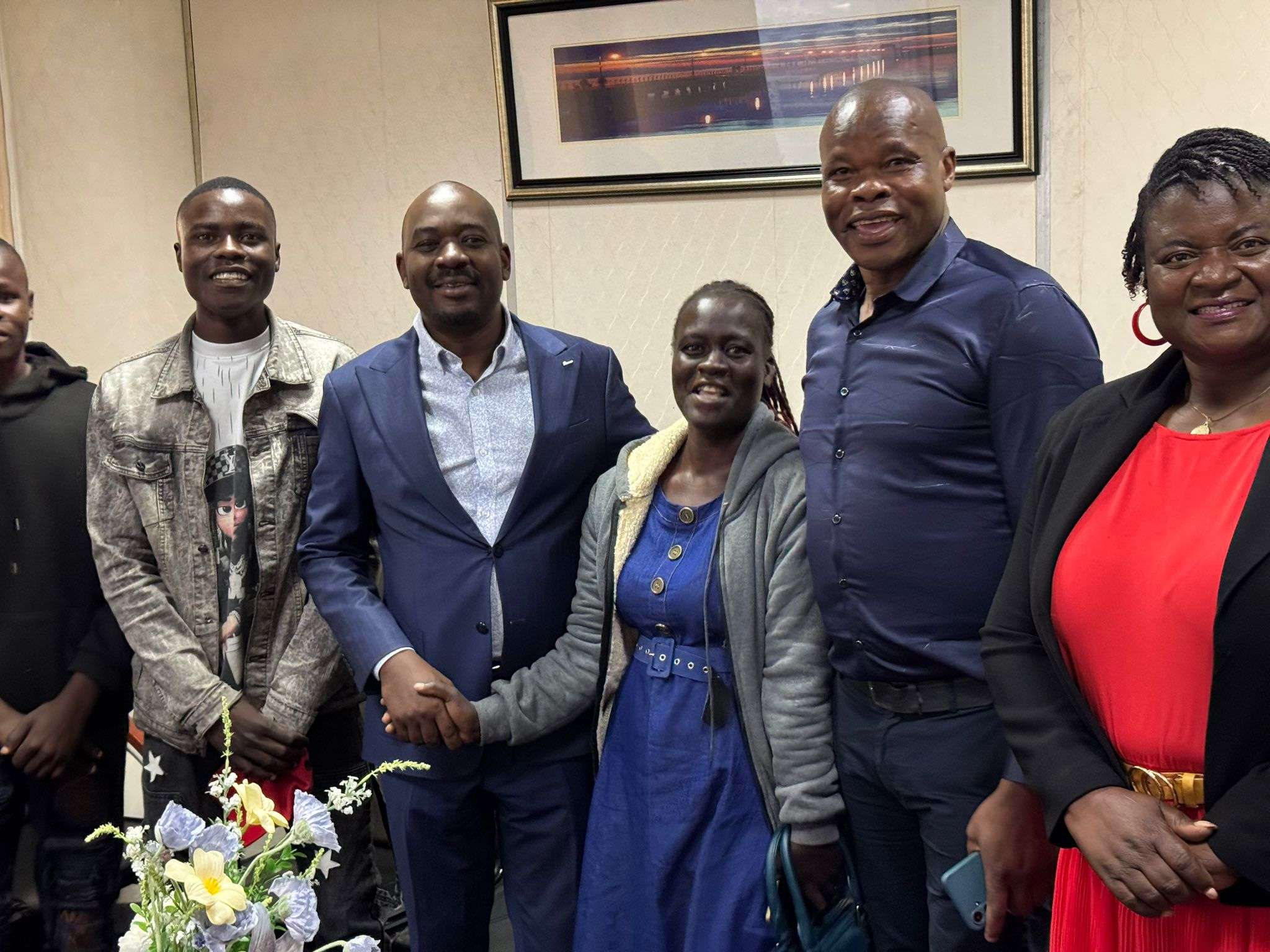
Karembera, who appears healthy and fit following his release, is yet to publicly comment on CAB 3 or reflect on his nearly eight-month incarceration. Following his release, he met opposition leader Nelson Chamisa. After their meeting, Chamisa described Karembera as a loyal, committed and dedicated cadre.
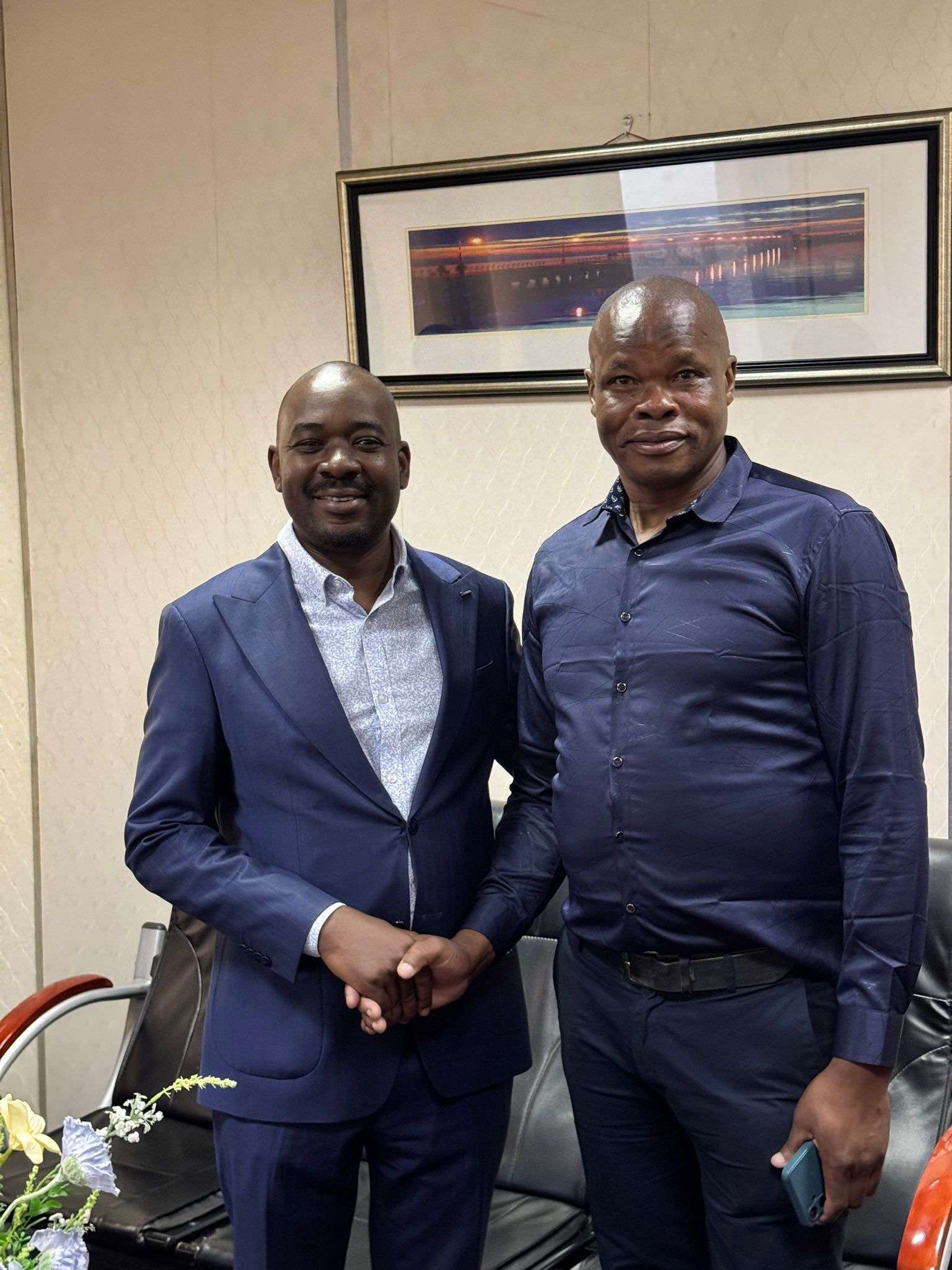
Opposition Leader Nelson Chamisa and Activist Madzibaba Veshanduko (right)
The CAB 3 period is one that Zimbabwe should avoid repeating It has brought silent suffering to many individuals and families. Among those are Karembera, Saruwaka, Nyokayemabhunu, more than 100 war veterans, and journalists who have faced arrest, imprisonment, or other forms of persecution over allegations connected to CAB 3.
The main controversy surrounding CAB 3 is the claim that it seeks to transfer the power to choose the country’s president from the electorate to Parliament.
If CAB 3 succeeds without a referendum, it could create a situation in which Parliament gains excessive authority to alter the country’s laws, increasing the risk of a parliamentary dictatorship.
What would stop Parliament, in the future, from extending its own mandate or even cancelling elections altogether?
What if, in 2030, Parliament decides to cancel elections?