
By Leonnel Mhuka
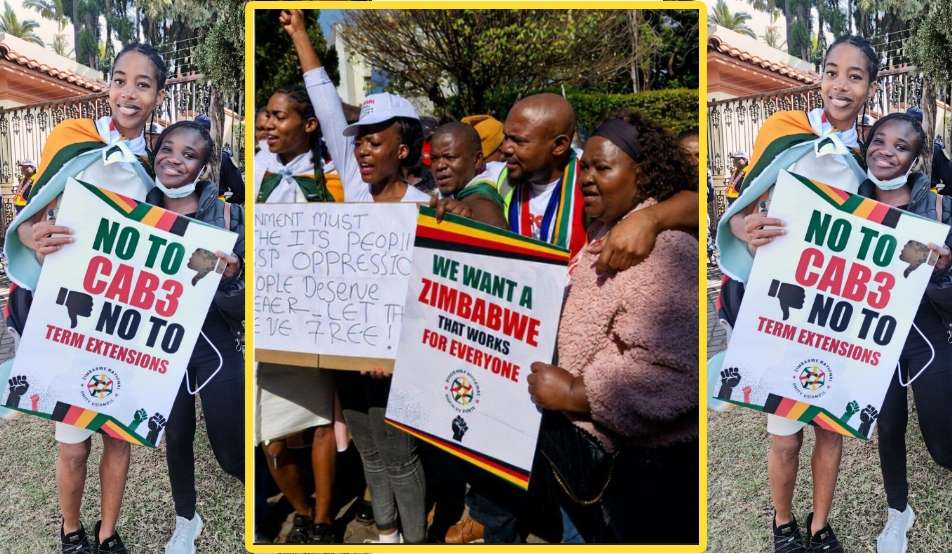
The March on March movement joined the 31 July protests outside the Zimbabwean embassy, condemning the detention of Zimbabwean activist Bhekimpilo Mbedzi and calling for greater respect for human rights across Southern Africa.
The movement’s national spokesperson Sandile Dube said the demonstration reflected the movement’s two-pronged position on migration. While it continues to demand the removal of undocumented migrants from South Africa, the organisation insists that deportations must be conducted lawfully and with respect for human dignity. It also wants migrants’ rights protected in their countries of origin.
“We are calling on the president of Zimbabwe to take a lesson from the Republic of South Africa when it comes to human-rights issues,” Dube said, adding that migration should become a prominent item on the agenda of the forthcoming Southern African Development Community summit.
The picket placed the movement within a broader regional debate about political repression, migration and government accountability. It also highlighted the difficult balance between enforcing immigration laws and protecting the fundamental rights of migrants and political activists.
At the centre of the embassy protest was the detention of Bhekimpilo Mbedzi, a human-rights defender and the Matabeleland South provincial chairperson of the National Democratic Working Group. Mbedzi was arrested on 10 July 2026 and charged with incitement to conduct an unlawful gathering.
The case arises from a video posted on Mbedzi’s Facebook page on the day of his arrest. In the video, he allegedly encouraged members of the public to join the demonstration planned for 31 July against Constitutional Amendment Act No. 3. Authorities say he appeared holding a placard bearing the words “NO TO 2030” and sought to mobilise people for a protest without giving the required notification to the relevant authorities.
Mbedzi was charged under section 187 of the Criminal Law (Codification and Reform) Act, read together with sections 7(1)(a) and 7(5) of the Maintenance of Peace and Order Act. He remained in detention ahead of a scheduled court appearance on 3 August 2026.
His arrest came amid mounting opposition to the constitutional changes, which began when the government gazetted the Constitution of Zimbabwe Amendment (No. 3) Bill on 16 February. The measure proposed extending presidential and parliamentary terms from five to seven years, replacing the direct election of the president with election by Parliament, increasing executive influence over judicial and prosecutorial appointments, and abolishing constitutional bodies including the Zimbabwe Gender Commission.
Although the Bill entered a constitutionally required 90-day public-consultation period, civil-society organisations and legal experts questioned whether the process allowed meaningful public participation. Accounts of intimidation, overcrowding, procedural irregularities and the silencing of dissenting voices accompanied the hearings.
Public hearings beginning on 30 March were also marked by reports of disruption and violence. Human-rights lawyer Douglas Coltart was reportedly assaulted in Harare after attempting to make a submission, while opposition figures in Bulawayo—including David Coltart, said they were prevented from speaking. Other prominent critics, including constitutional lawyer Professor Lovemore Madhuku and former finance minister Tendai Biti, were reportedly arrested, detained or assaulted during the amendment process.
President Emmerson Mnangagwa assented to the Constitution of Zimbabwe Amendment Act on 7 July, following its passage by Parliament. Civil-society groups, opposition organisations and activists subsequently backed the 31 July march to demand its repeal.
Mbedzi’s case has therefore become closely associated with wider concerns about the authorities’ response to opposition to the amendments. For human-rights campaigners, his prosecution raises questions about whether laws governing public gatherings are being used to restrict peaceful political expression and discourage participation in demonstrations.


