
By Lindie Dube
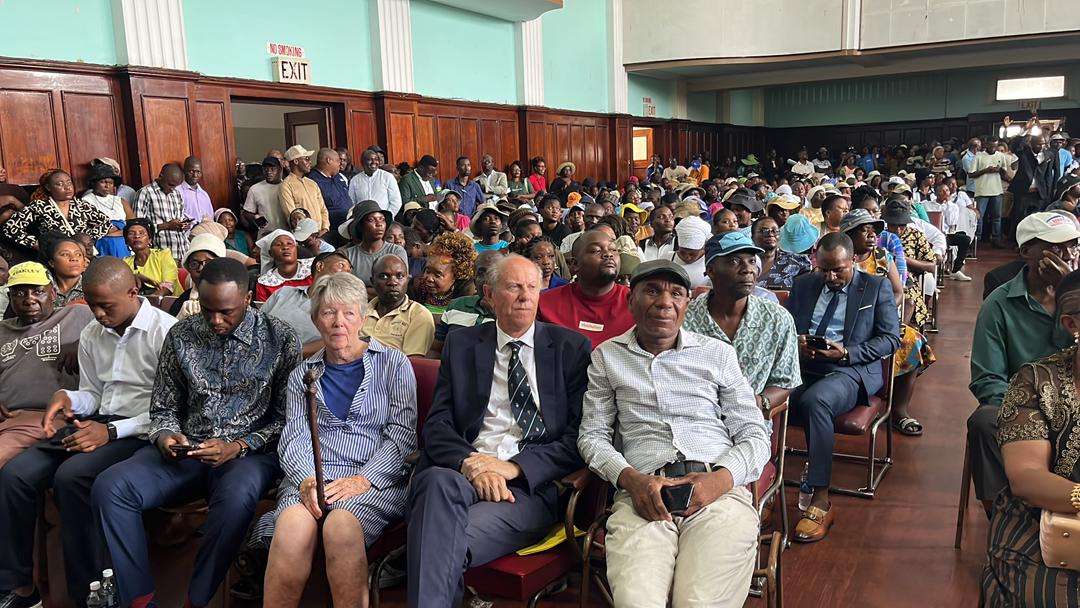
On 30 March 2026, The Bulawayo City Hall was filled to capacity with members of the public from all walks of life, gathered in anticipation of sharing their views on the Constitutional Amendment Bill No. 3 in the public hearing that was being held.
A public hearing is a formal, open meeting conducted by government bodies or organizations to receive public input on specific, often controversial, proposals or projects before decisions are made.
The Parliament is set to hold public hearings at 65 centres across Zimbabwe over just four days, beginning on 30 March 2026. This timeline has been widely condemned as inadequate and unfair, with critics arguing that it does not allow sufficient time for meaningful public engagement and debate.
In a city with a population of approximately 700,000 people, only two meetings were allocated in Bulawayo, Bulawayo City Hall and Nketa Hall, in Nketa Suburb. As a result, the process has been described by many as inadequate, unconstitutional.
Zimbabwean citizens have expressed strong resistance to leaving their fate in the hands of a limited number of participants, estimated at around 400 people, in a country with a population of about 17 million.
“Hanzi pane kachitsotsi apa,” remarked one concerned citizen, suggesting suspicion over the process.
In a surprising turn of events, fewer than 20 people were given the opportunity to share their views during this critical moment. Amending the Constitution has far-reaching implications, especially in a society already grappling with unemployment, poverty, abuse, and the infringement of human rights.
The Bulawayo Mayor, Senator David Coltart, who attended the hearing in his personal capacity as a citizen and as a lawyer of 43 years, was seated in the front row within clear view of the chairperson. Despite repeatedly raising his hand, he was allegedly ignored throughout the proceedings.
The Amalgamated Rural Teachers Union of Zimbabwe (ARTUZ) stated that its leaders in Bulawayo Province who attended the hearing were not given an opportunity to make submissions. Like many other citizens, they are now calling for a referendum to determine the fate of the Constitutional Amendment Bill No. 3.
Youth representatives Denford Sithole and Wesley Moyo addressed the gathering, speaking on behalf of young people. Their remarks energized the crowd, prompting applause and cheers, despite house rules discouraging such reactions.
Sithole stated, “Young people are prepared to take part in another liberation struggle if it means protecting the principle of one person, one vote. As young people, we want to elect our own leaders.”
Meanwhile, Moyo added, “I reject a bill driven by leaders who are incompetent. We must go for a referendum. If ZANU-PF and its supporters are confident, let us take this matter to the people. As young people in Bulawayo, we reject the amendment.”
The meeting lasted no more than two hours, raising concerns and criticism over the panel’s apparent failure to fully respect and acknowledge the importance of the process.
Despite these challenges, the citizens of Bulawayo made a strong showing in defending their rights and the Constitution, speaking out against the proposed amendment within the limited space afforded to them under what many described as unjust circumstances.


