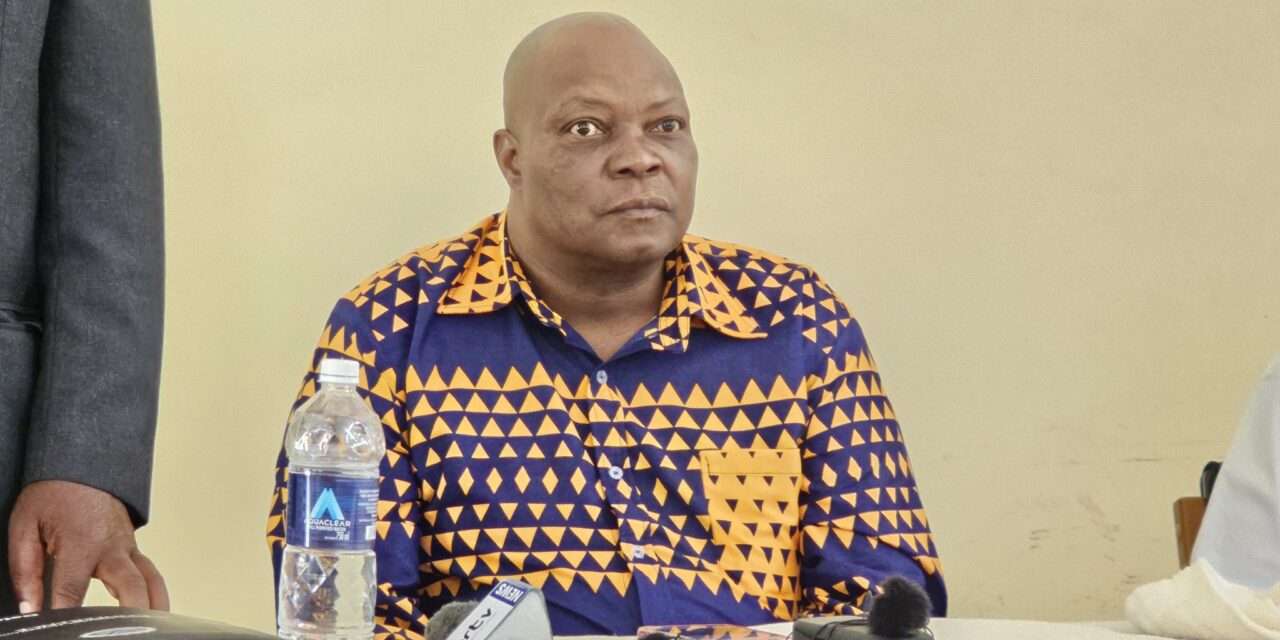
By Leonnel Mhuka
Former Zengeza West MP Job Sikhala has issued a strong warning about Zimbabwe’s political direction, arguing that the intensifying debate around extending presidential power beyond the current constitutional limit risks pushing the country into dangerous territory.
In an audio address released over the weekend, Sikhala said the growing pressure against critics of the proposed “ED2030” agenda, a political campaign associated with extending the leadership of Emmerson Mnangagwa beyond his current term, reflects a worrying pattern of repression that Zimbabweans have witnessed before in their history.
Drawing on Zimbabwe’s colonial past, Sikhala compared the current climate to the period following the Unilateral Declaration of Independence, when the Rhodesian government led by Ian Smith intensified political control after declaring independence from Britain.
According to Sikhala, historical experience shows that when political space closes and citizens feel excluded from national decision-making, tensions inevitably rise. “No people accept oppression forever,” he argued, adding that Zimbabweans must be given a constitutional pathway to decide major national questions.
Constitutional question at the centre
At the heart of Sikhala’s argument is the Zimbabwean constitution. He insists that any move to extend presidential terms would require a national referendum, giving citizens the final say on whether such a change should occur.
The current constitution, adopted in 2013 after years of negotiation between political parties and civil society, places strict limits on presidential terms and outlines procedures for constitutional amendments. For Sikhala and other critics of the ED2030 campaign, bypassing a referendum would undermine the democratic spirit that the constitution was designed to protect.
Outreach consultations
Sikhala also revealed that consultations have been taking place with citizens across several provinces to gather public views on the 2030 proposal. He said the results of these engagements are now being compiled and will guide the next course of action.
Crucially, he emphasized that any future steps would reflect the will of the people rather than the personal views of political leaders.
A debate that continues to divide Zimbabwe
The ED2030 discussion remains one of the most contentious issues in Zimbabwe’s current political landscape. Supporters of the idea argue that policy continuity and economic reforms require stable leadership, while critics view the proposal as a threat to constitutional democracy.
Sikhala’s intervention underscores how deeply the issue resonates with Zimbabwe’s political history. By invoking the lessons of 1965, he framed the debate not only as a legal question but also as a test of the country’s commitment to democratic governance.
You may also want to listen to this: Job Sikhala BREAKS SILENCE on Proposed 2030 Constitutional Changes