By Leonnel Mhuka
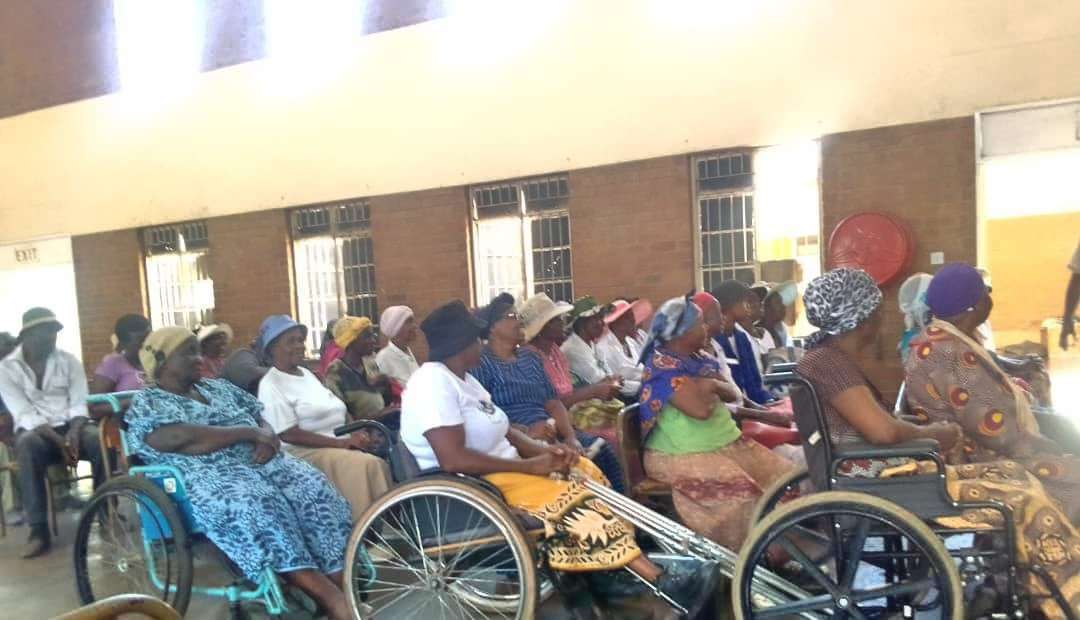
Zimbabwe is at a defining moment in the struggle for disability rights. With nearly 15% of the population—over 1.7 million people—living with disabilities, the stakes could not be higher. Yet, despite this significant number, people with disabilities (PWDs) remain marginalized, underrepresented, and excluded from full participation in society.
This week on Change Radio Current Affairs, Change Radio hosted Mr. Denias Mudzingwa, the National Secretary for Persons with Disabilities in the opposition movement. As a disability rights defender, education administrator and father, Mr. Mudzingwa has lived the challenges he advocates against. In a candid discussion, he unpacked the limitations of Zimbabwe’s 1992 Disabled Persons Act and the promises and pitfalls of the current Persons with Disabilities Bill before Parliament.
Defining Disability: Beyond Impairment
“Disability is created by society, not by impairment,” said Mr. Mudzingwa, referencing the United Nations Convention on the Rights of Persons with Disabilities (UNCRPD), which Zimbabwe ratified in 2010 but has yet to domesticate into law.
He stressed the difference between impairment—a physical, mental, intellectual, or sensory condition—and disability, which arises when societal barriers prevent full participation. “A person may have an impairment, but it becomes a disability when schools, workplaces, or government policies exclude them,” he explained.
The 1992 Disabled Persons Act: A Flawed Beginning
Zimbabwe was among the first African countries to pass a disability law in 1992, but Mr. Mudzingwa argued it fell woefully short:
-
Language and Attitude: The Act referred to “disabled persons,” seeing the disability before the person.
-
Weak Enforcement: “It was just an act promising people, but nothing was done,” said Mudzingwa. The law lacked mechanisms to hold government accountable.
-
Limited Scope: Groups such as people with albinism, epilepsy, psychosocial and intellectual challenges were excluded.
-
Controlled Representation: The Disability Board reported to the minister, was underfunded, and ineffective.
The New Bill: Human Rights or Hollow Promises?
The proposed Persons with Disabilities Bill seeks to shift disability from a welfare issue to a human rights issue. Promises of inclusive education, employment opportunities, and political participation are written into the draft. Yet, Mr. Mudzingwa warned that the bill risks repeating old mistakes.
Key weaknesses include:
-
No Independent Commission: UNCRPD Article 33.2 requires a self-autonomous body to monitor disability rights. The proposed “National Disability Affairs Board” would still report to a minister. “Once we report to the minister, the minister will tell us what to do, or throw away our concerns,” he warned.
-
Lack of Enforcement: The bill contains conditional clauses allowing government to evade obligations by citing “lack of funds.” Citizens would be unable to take the state to court for failing to deliver services.
-
Exclusion of Groups: People with epilepsy, albinism, and psychosocial challenges remain excluded from the definition of disability.
-
Poor Representation: Only two senators—one male, one female—currently represent over 1.7 million Zimbabweans with disabilities. “This is not fair representation,” argued Mudzingwa. “We want quotas in Parliament, provincial councils, and local authorities to ensure diverse voices are heard.”
The Human Cost of Neglect
The lack of progress is not just a political issue but a human tragedy. Mr. Mudzingwa shared his personal story, his daughter Brenda Mudzingwa was abducted and left injured during a political gathering in Harare. “This shows how vulnerable we are,” he reflected. For families like his, disability rights are not theoretical,they are a matter of survival, dignity, and justice.
The Way Forward
For Zimbabwe, disability inclusion is not charity, it is developmental economics. Persons with disabilities are taxpayers, innovators, and community leaders. When barriers prevent them from contributing, the entire nation loses.
“We must go back to the trenches,” urged Mr. Mudzingwa, “to fight for an independent commission, enforcement mechanisms, and full recognition of all people with disabilities. Disability rights are human rights.”
Obligations of Government
Under international law and its own constitution, Zimbabwe is obligated to:
-
Domesticate the UNCRPD and align all laws with its principles.
-
Establish an independent disability commission free from ministerial control.
-
Guarantee funding and enforcement mechanisms so that rights move beyond paper promises.
-
Ensure political representation at all levels of government.
-
Provide accessible infrastructure, inclusive education, and fair employment opportunities.
A Call to Action
As Zimbabwe debates the Persons with Disabilities Bill, the nation faces a choice: continue decades of neglect or build a society where every citizen, regardless of ability, can participate equally.
“This is not about sympathy. It is about justice, equality and dignity,” concluded Mr. Mudzingwa.
For the millions living with disabilities in Zimbabwe, the outcome of this bill is not just politics, it is the difference between inclusion and exclusion, empowerment and dependency, progress and stagnation.