By Leonnel Mhuka
Iranian President Ebrahim Raisi, 63, has died following a helicopter crash in a mountainous and forested area of the country during poor weather conditions. The crash also claimed the lives of Foreign Minister Dr. Hussein Amir Abdullahian, the representative of the Supreme Leader and Friday Imam in Tabriz, Mr. Muhammad Ali Al Hashem, and the Governor of East Azerbaijan, Mr. Malek Rahmati. Raisi, a prominent conservative and hardline figure in Iranian politics, served nearly three years as president and was considered a potential candidate for re-election next year.
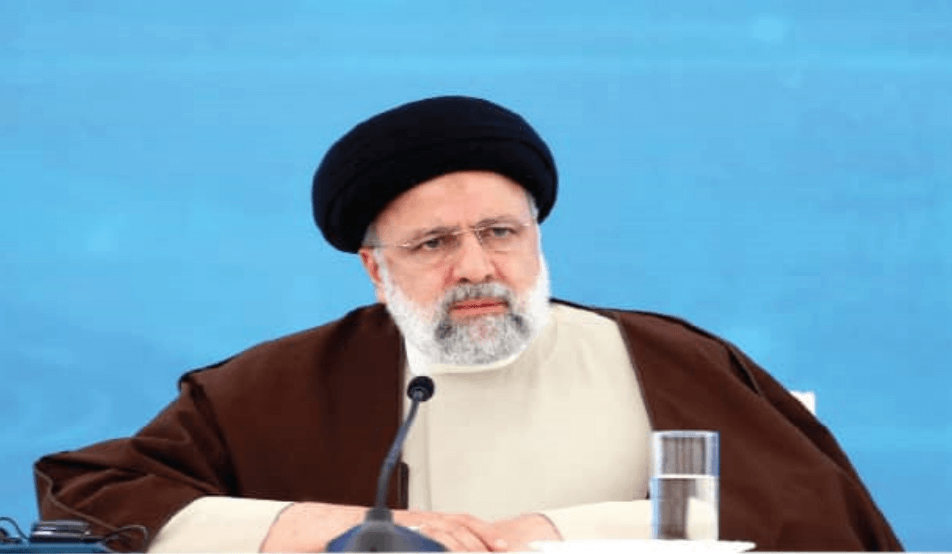
Raisi was born in Mashhad, a significant religious hub for Shia Muslims in northeastern Iran. He received his religious education at the seminary in Qom, studying under key scholars, including Ayatollah Ali Khamenei, the supreme leader of Iran. Raisi’s black turban signified his status as a sayyid, denoting descent from the Prophet Muhammad, an important marker among Twelver Shia Muslims.
His career included extensive experience as a prosecutor in various jurisdictions before moving to Tehran in 1985, where human rights organizations claim he was involved in overseeing executions of political prisoners. Raisi held multiple significant positions, including attorney general and head of the Astan Quds Razavi, a wealthy charitable trust managing the shrine of Imam Reza.
Raisi first ran for president in 2017 but was unsuccessful. In 2019, he was appointed head of the judiciary by Khamenei, where he focused on fighting corruption and gaining popular support through provincial travels. He won the presidency in 2021 amid low voter turnout and the disqualification of reformist and moderate candidates.
Raisi’s death, along with the deaths of key officials, marks a significant moment in Iranian politics, especially given his potential candidacy for re-election and his role as a possible successor to Ayatollah Khamenei. This tragedy may impact the dynamics within Iran’s conservative factions and the broader political landscape.