By Albert Mpofu
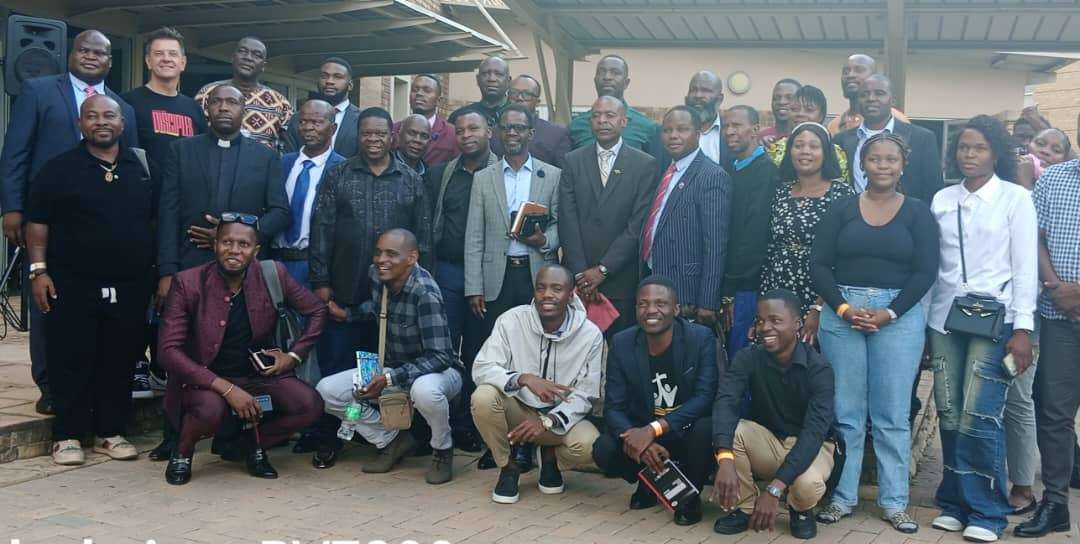
Zimbabwe is proudly represented at the G12 Africa Summit Conference taking place in South Africa from February 20–21, 2026. Among the delegates is Rev T. Mujati, alongside Rev Dr Doug Mambure, Apostles Edwin Masango, Shadreck Moyo and Siziba, together with other pastors and church leaders from across the country. They join servants of God from Togo, Burkina Faso, Zambia, Malawi and other African nations for a continental gathering centered on fulfilling the Great Commission as recorded in Matthew 28:16–20.
The G12 Vision, which emphasizes discipleship, leadership development and multiplication, has grown across Africa as churches seek to build structured systems for raising leaders and transforming communities. This year’s summit places strong emphasis on the authority given by Christ in Matthew 28:18 and the responsibility of believers to actively influence society.
A Call Beyond the Pulpit
Speaking to Change Radio during the summit, Rev Mujati underscored that the Great Commission is not merely a spiritual instruction but a mandate for societal transformation. He challenged clergy to move beyond preaching and become active custodians of moral accountability within their communities.
“As spiritual leaders, we must remind leaders that they will be held accountable for their actions,” Rev Mujati said. “We should partner with God to bring transformation, rather than leaving it all to Him.”
His remarks come at a time when many African nations, including Zimbabwe, continue to face challenges such as corruption, economic instability, injustice and widening inequality. Rev Mujati did not shy away from addressing what he described as a leadership crisis, noting the contradiction between professed Christian belief among leaders and the persistence of systemic wrongdoing.
He pointed out that fear and silence within the church have often allowed injustice to flourish. According to him, believers sometimes forget the authority granted by Christ, choosing caution over conviction when confronted with unethical governance.
The Church as Moral Arbiter
Rev Mujati emphasized that religion plays a central role in shaping communities. The teachings of the church, he argued, directly influence national character.
“The church’s teachings shape the nation; if we preach hate, the nation will reflect it,” he said. “It’s time for leaders to involve God and the clergy in decision-making, promoting godly laws and good governance.”

Zimbabwe Delegation Joins G12 Africa Summit Conference in South Africa
His statement reinforces a long-standing debate across Africa about the role of faith institutions in public policy and governance. Rather than advocating partisan involvement, Rev Mujati called for principled engagement, where the church serves as a moral compass and community watchdog, reminding political leaders of their responsibility before God and the people.
Youth, Responsibility and Continental Unity
The summit also highlighted the responsibility of young people in Africa’s transformation. Delegates emphasized that discipleship must extend to economic stewardship, ethical leadership and social responsibility. Africa’s youthful population presents both a challenge and an opportunity: without guidance, frustration can fuel instability; with mentorship and spiritual grounding, it can drive reform and innovation.
In a world increasingly shaped by self-interest and competitive systems, the message of discipleship calls believers to consider others’ welfare. As Scripture reminds us, one cannot remain neutral: “If you are not gathering, you are scattering” (Matthew 12). The summit’s message was clear, transformation requires intentional action.
A Continental Moment
The G12 Africa Summit stands as more than a church conference; it represents a strategic gathering of spiritual leaders seeking to influence the moral and developmental trajectory of the continent. For the Zimbabwean delegation, the engagement provides an opportunity to both learn and contribute to Africa-wide conversations on faith, leadership and accountability.
As Rev Mujati stressed, transformation will not happen automatically. It requires courageous clergy, accountable leadership, empowered youth and unity among African nations. His critique of leadership was not merely condemnation but a call to alignment, urging both church and state to recognize their shared responsibility in shaping a just and God-fearing society.
As the summit concludes, the prayer remains that Africa will rise with integrity, unity and renewed commitment to the Great Commission7, demonstrating not only faith in word, but faith in action.