By Tsitsi Wayire
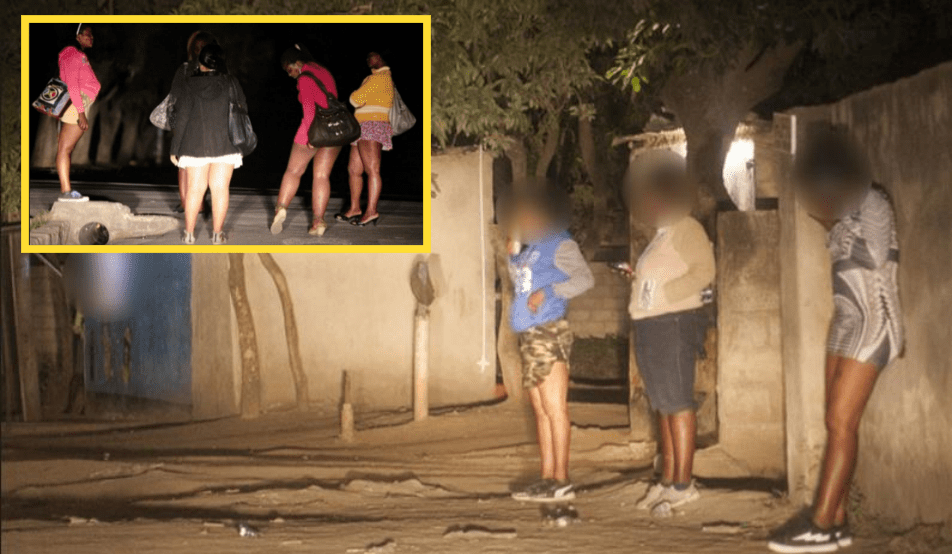
As economic challenges intensify in Zimbabwe, an increasing number of women and young girls are turning to prostitution as a means of survival, highlighting the profound social and financial pressures facing many in the nation.
With rampant unemployment rates and soaring inflation, daily life has become a struggle for many families, forcing vulnerable individuals to seek alternative means to support themselves and their dependents.
Reports indicate that the COVID-19 pandemic has exacerbated existing economic woes, leading to job losses and the closure of small businesses.
As traditional avenues for employment dwindle, some women, particularly in urban areas, are finding themselves with few options. “I never imagined I would end up doing this, but I have children to feed, and there are no jobs,” shares a woman in Harare who chose to remain anonymous due to the stigmatization surrounding sex work.
Young girls, often driven by desperation or the need to support their families, are increasingly lured into the trade, sometimes under false promises of legitimate work. “Some friends led me into this, saying it would be quick money. I didn’t know the dangers I was getting into,” said a 19-year-old who recently entered the profession.
Additionally, societal taboos regarding sex work complicate the lives of these women and girls. Many face stigmatization and discrimination, creating barriers to accessing healthcare, legal protection, and social services. Activists argue that this situation demands urgent attention from the government and civil society to provide better opportunities, education, and support for women and girls. They advocate for the recognition of sex work as a legitimate occupation, calling for decriminalization and the inclusion of sex workers in public health initiatives.
As Zimbabwe grapples with economic and social instability, the rise in the number of women and young girls entering prostitution underscores a critical need for comprehensive solutions to combat poverty and protect the rights of marginalized groups in society. With many trapped in a cycle of exploitation, the call for systemic change has never been more urgent.