
By Leonnel Mhuka
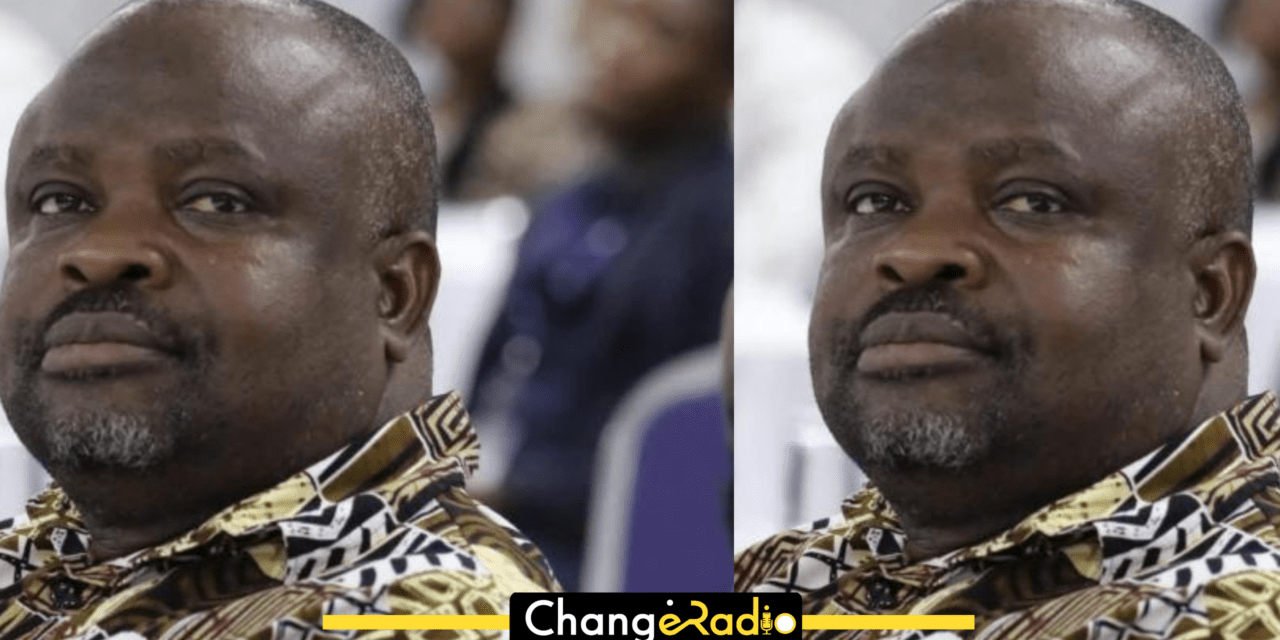
The arrest of Chiredzi West MP, Darlington Chiwa, by the Zimbabwe Anti-Corruption Commission (ZACC) is the latest reminder of Zimbabwe’s ongoing crisis of corruption within political leadership. The arrest, which stems from Chiwa’s alleged diversion of Constituency Development Funds (CDF), shines a harsh light not just on the individual MP, but on the systemic corruption plaguing the nation.
According to ZACC’s statement, Chiwa, who serves as the Chairperson of the Chiredzi West CDF, is accused of siphoning off funds meant for community development. The MP allegedly manipulated fellow community members to remove them from control of the constituency account, before transferring the ZWG$1,332,430.00 (USD$50,000) from Parliament into his personal accounts.
What followed is an outrageous betrayal of public trust, Chiwa reportedly used nearly ZWG 993,241.00 of the funds for personal luxuries, including building materials, groceries, shoes and even beer. Only a fraction, ZWG 270,427.00, was channeled into constituency projects. To make matters worse, Chiwa submitted fraudulent acquittal documents to Parliament, falsely claiming the entirety of the funds had been spent on school development.
While this arrest is a step in the right direction, it raises serious concerns about the true intentions behind ZACC’s actions. The pattern of corruption within ZANU-PF is long established and this arrest, like many before it, risks becoming nothing more than another “catch and release” scenario. Over the years, the country has seen numerous high-profile arrests with little to show for it in terms of actual consequences. The culture of impunity remains firmly in place as the ruling party continues to produce corrupt leaders who abuse public funds with no fear of meaningful repercussions.
ZACC, which was tasked with combating corruption and ensuring accountability, has failed to inspire confidence in its efforts. The Commission’s track record, marked by a series of ineffective investigations and seemingly toothless outcomes, only highlights its inability to tackle corruption at the highest levels. The agency’s reluctance or inability to take decisive action raises questions about whether it is truly independent or simply another cog in the machinery of a corrupt government.
Furthermore, the Parliament of Zimbabwe is equally complicit. Despite knowing about the alleged misuse of funds, they failed to conduct the necessary due diligence when the CDF funds were initially transferred. This gross oversight allowed Chiwa to submit fraudulent documents without proper scrutiny. Parliament’s negligence in this matter exposes its failure to hold its members accountable, further enabling corrupt behavior within its ranks.
The Chiwa scandal is a microcosm of the larger problem facing Zimbabwe. ZANU-PF, through its entrenched system of patronage, continues to supply the nation with leaders who are more interested in personal enrichment than serving the public. The failure of institutions like ZACC and Parliament to perform their roles is a direct result of the political culture that rewards corruption and protects its perpetrators.
Until there is a comprehensive overhaul of both political leadership and anti-corruption institutions, Zimbabwe will continue to spiral into further corruption, with leaders like Darlington Chiwa as the unfortunate but predictable norm.


