By Leonnel Mhuka
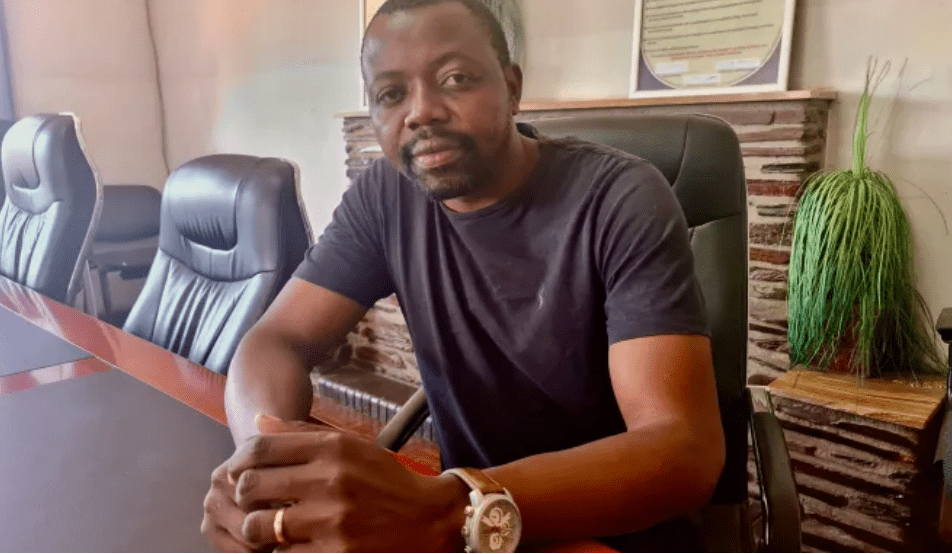
“Schools are not ready to open, learners are unprepared to return and teachers are incapacitated and unable to resume work,” said ARTUZ president, Mr. Obert Masaraure, as he provided a detailed analysis of the issues surrounding the opening of the third academic semester in Zimbabwe.
Schools are set to open next week on Tuesday, September 10th. In a conversation with Change Radio yesterday, the Amalgamated Rural Teachers Union of Zimbabwe (ARTUZ) called on the government to address several important issues before allowing schools to reopen.
Masaraure began by highlighting that schools across the country are underfunded because the BEAM facility has not been disbursing funds intended to subsidize learners’ tuition fees.
Due to drought, many learners are forced to attend school without having eaten anything in the morning. According to Masaraure, this poses a high risk of learners collapsing in class.
The president urged the government to extend its food support program to include both primary and secondary schools, as all learners are coming from homes equally affected by the drought. However, he also revealed that even the primary schools entitled to this support have not yet received anything from the government.
Over the years, the government of Zimbabwe has been evasive with information, especially concerning health and disease. They have often waited for a public outcry before providing even minimal awareness. Recently, there has been a threat of an Mpox outbreak, yet there is no outlined program to raise awareness and educate learners and teachers ahead of the new term. Masaraure also mentioned the risk of a cholera outbreak as the rainy season approaches.
He urged the government to address the issue of teachers’ salaries, stating that they are so low that 70% of teachers cannot afford to send their own children to school.
In conclusion, President Masaraure called on the government to scrap any education-related levies, as they increase the burden on already struggling parents.
Despite the high cost of education in Zimbabwe, the Ordinary Level pass rate has never exceeded 50% since 1980. This is the result of a broken social contract, where teachers frequently go on slow-downs or strikes to pressure the government into paying them adequately.