By Leonnel Mhuka
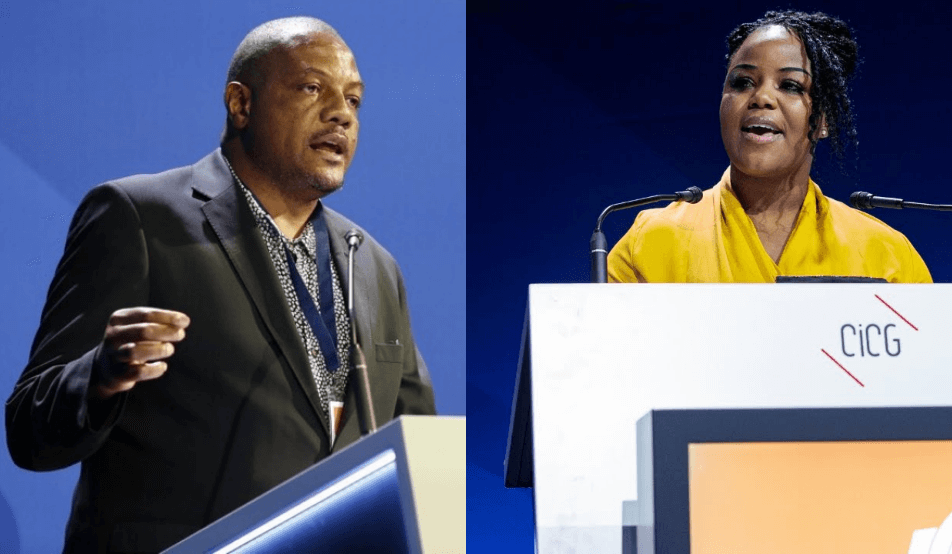
In a candid critique, Hopewell Chin’ono addresses Emmerson Mnangagwa’s diplomatic shortcomings, stressing the importance of projecting strength and value in international negotiations. Chin’ono argues that Mnangagwa’s admission of desperation for Western engagement undermines Zimbabwe’s bargaining power, offering insights into why the nation has struggled on the global stage for the past 44 years.
You don’t negotiate by selling yourself short, saying that you are lonely and that nobody in the West wants to engage with you.
This approach signals to the other side that you are desperate, revealing that you have no perceived value.
What we saw explains why Zimbabwe is always getting played, our leaders don’t know how to negotiate at all.
He should have said that the West is offering many opportunities to thaw relations, but because of our liberation history with Russia, he prefers to do business with them if they provide a good deal.
By openly stating that Zimbabwe is “desperate” for engagement with the West, Mnangagwa weakened his position and gave President Putin an advantage in future negotiations.
To get the best deal, it is essential to convey a strong bargaining position and demonstrate the value that Zimbabwe brings to the table.
Highlighting the country’s historical ties with Russia was a good carrot, but emphasising the potential benefits of improved relations with the West was going to be the stick rather than revealing desperation.
What we saw in that video is a glimpse of how Zimbabwe has been sold cheap in the last 44 years due to incompetent negotiating skills!
Former CCC spokesperson Hon Mahere, who also has been on the lead criticizing Mnangagwa’s move also said that the issue transcends politics and affects Zimbabwe’s global standing. Regardless of political affiliation, this moment represents a significant low for national pride, regional leadership and the government’s negotiation capacity. She argued that instead of displaying self-assurance, confidence and an understanding of Zimbabwe’s value and bargaining power, the nation’s leadership has been reduced to an unrefined, immature caricature. Speaking as a concerned citizen, she calls for better leadership and a stronger future for Zimbabwe.
This issue is beyond politics. It’s about Zimbabwe’s standing in the world. Whichever side of the aisle you find yourself on, this is a low point for our national pride, our ability to demonstrate leadership in the region and our Govt’s capacity to negotiate in our interests.
Where we ought to come off self-assured, confident and aware of our value and bargaining power, we’ve been reduced – in language, posture and craft competence – to a crude, kindergarten caricature. I say this not as a politician but as a citizen who wants better and more for Zimbabwe.
Mahere went on to say that Zimbabwe should focus on building as many friendships as possible and avoid unnecessary conflicts. The leadership needs to prioritize working for their people, restoring the country’s international image and cooperating with other countries, particularly within the region and the continent. By remaining non-aligned and leveraging bilateral and multilateral relationships, Zimbabwe can move forward. She emphasized on the need for new leaders to ensure Zimbabwe keeps pace with the progress of other SADC and African nations.
Zimbabwe does not need new enemies or new colonizers. We need as many friends as we can reasonably make.
Our priority must be to get our nation working for the people again, to restore our international image and to work amicably with as many nations as possible, especially in the region and on the Continent. Let’s avoid unnecessary tensions, remain non-aligned and leverage as many bilateral and multilateral relationships as possible to take Zimbabwe forward.
Let’s not be left behind as SADC and African nations push forward for the betterment of their citizens.
We need new leaders.